
When to use a saddle jib crane
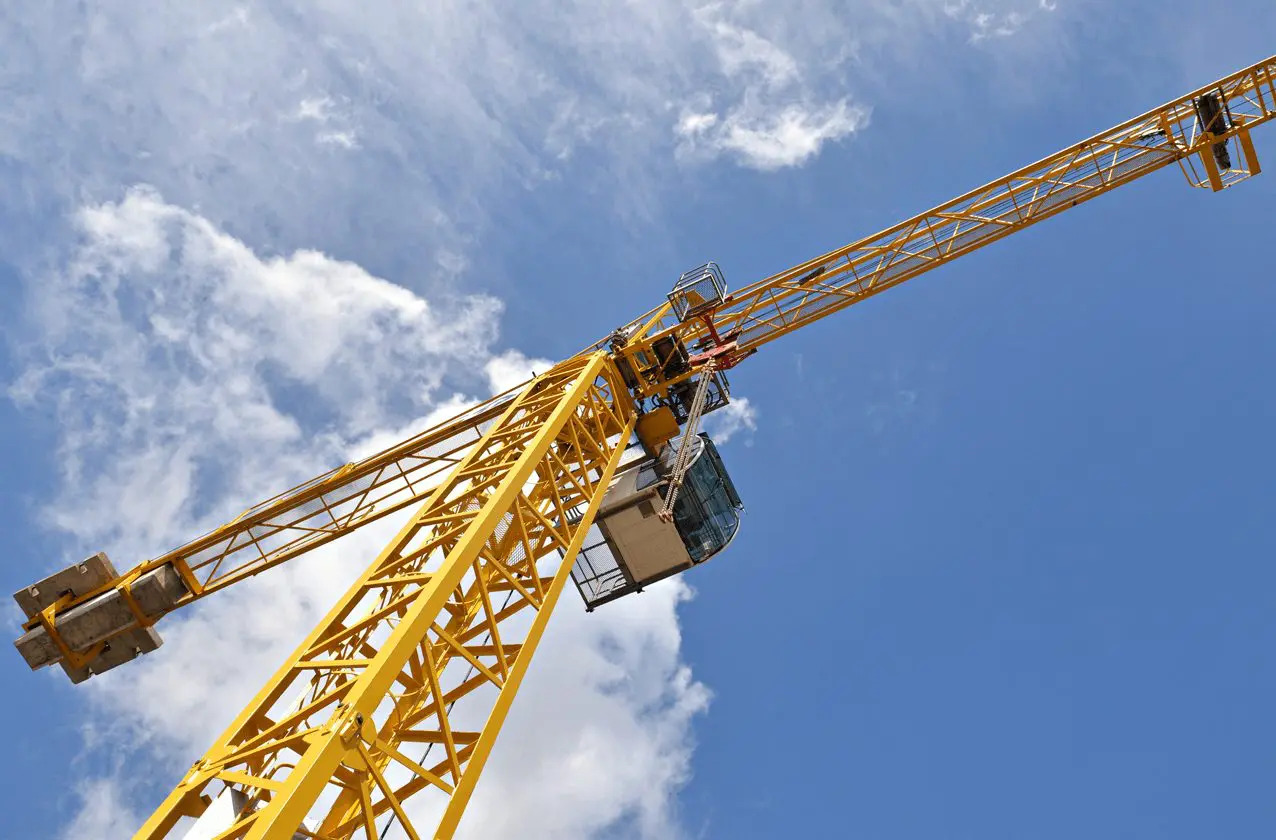
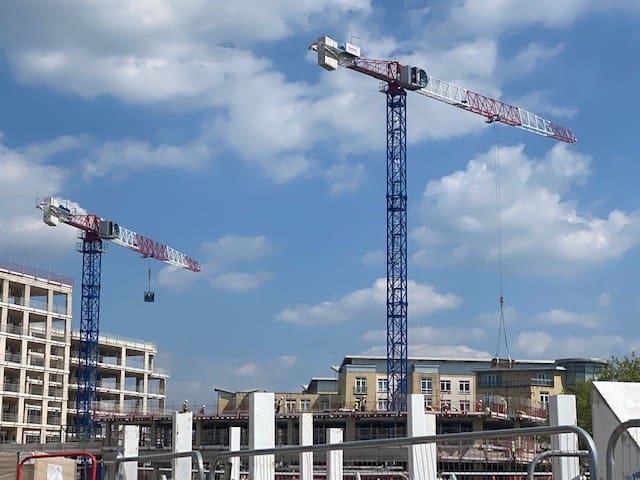
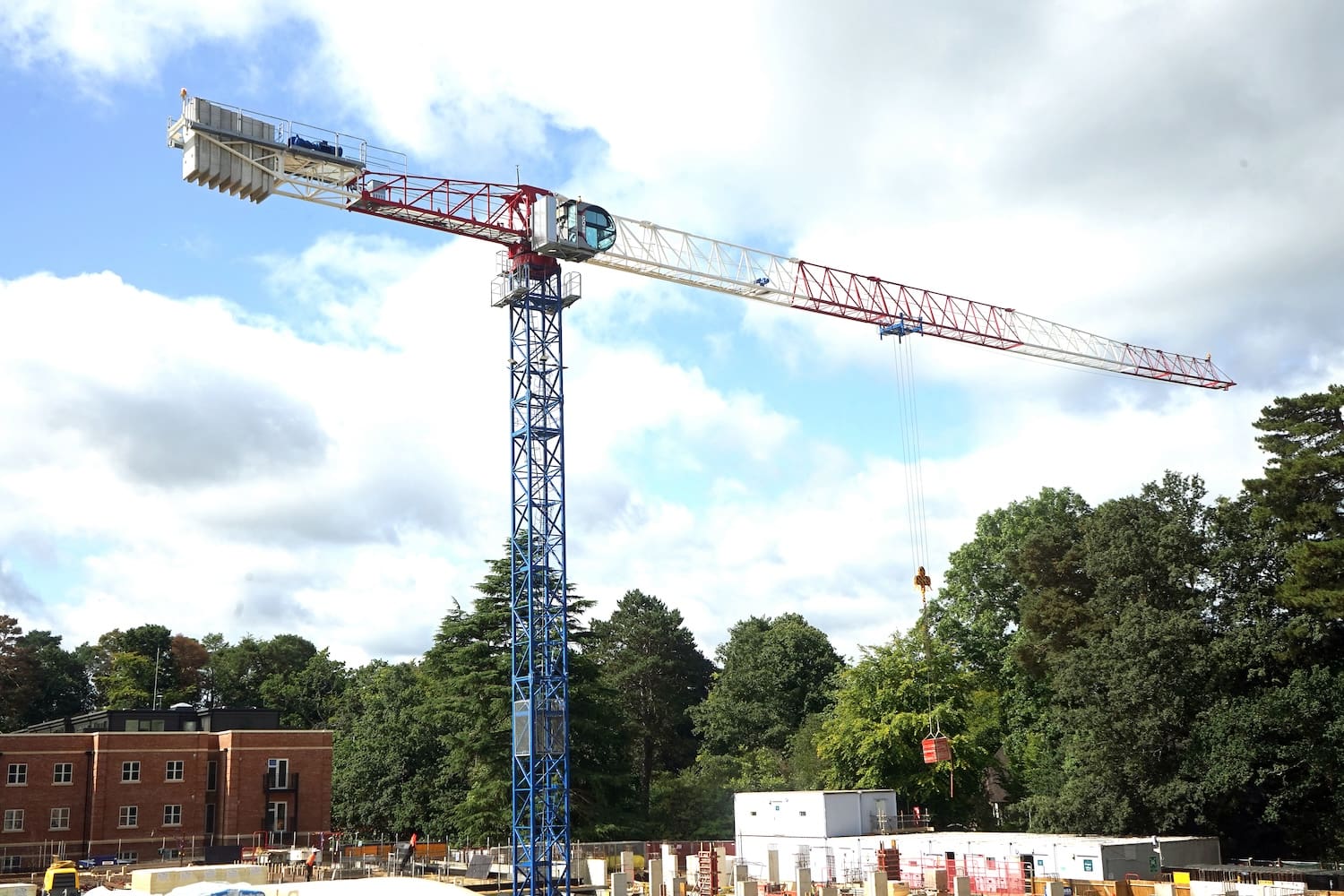
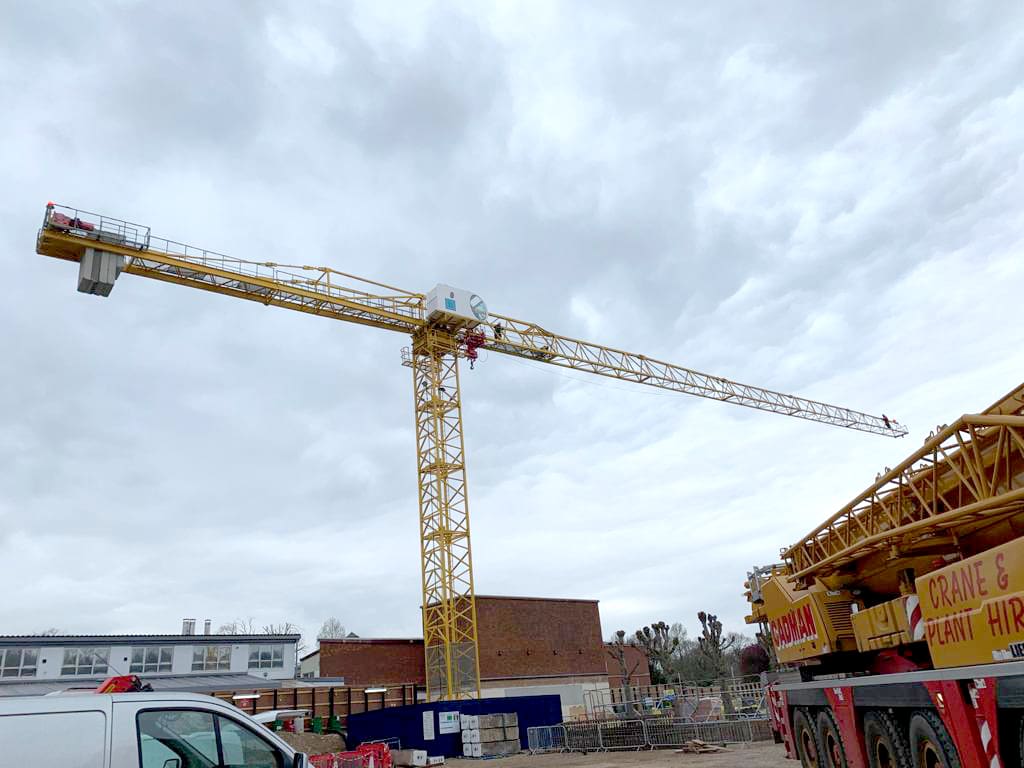
Saddle jib cranes are widely used across residential and commercial construction projects because of their versatility and lifting capacity. They are available in a wide range of heights and jib configurations, making them suitable for many different types of building projects.
Saddle jib cranes can be supplied on several types of base, including ballasted, fixing angles or rail travelling, depending on site requirements. Larger saddle jib cranes are typically operated from the cab, while smaller models can be operated from the cab or by pedestrian control. Saddle jib or top slewing cranes also require less space at ground level than a self-erecting crane, which makes them a practical solution for many construction sites.

Frequently asked questions
What is a saddle jib crane?
A saddle jib crane is a type of tower crane with a horizontal jib that remains fixed in position while the trolley moves along it to lift and position loads.
What is the difference between a saddle jib crane and a luffing jib crane?
A saddle jib crane has a fixed horizontal jib, while a luffing jib crane can raise and lower its jib. Luffing cranes are often used on restricted urban sites, while saddle jib cranes are typically used where there is more available space for crane operation. See multi saddle jib cranes in operation.
How much clearence is needed between the underside of the hook and the building?
9m allows for the length of the chains plus any personnel, scaffolding or equipment that may be on the roof.
Need help choosing a saddle jib crane?
Our team can help you identify the right crane for your project. Talk to our team.
Get in touch